

Marine InsuranceMarine Insurance
What is Marine Insurance?
Are you moving goods between countries or cities? Think about marine insurance because it is the insurance for shipping. It does not matter whether goods are stored in a ship, by air freight or by truck.
Weather conditions, accidents, and fire may happen, and you can’t be ready for any of them. But you will be worry-free on the way if you have marine insurance.
For example, there is a huge risk of losing money if your truck is involved in a collision while carrying cargo, but insurance will keep you safe.
If you get injured or you’re diagnosed with an illness, then your health insurance policy covers the related medical expenses for your treatment. This can include doctor consultations and diagnostic tests, along with the actual treatments and follow-up, so most of what you need medically is already looked after, without too much hassle.
With 13,000+ cashless hospitals, premiums that stay fairly affordable, and quick claims, we make sure you get smooth assistance when you need it most, like right at the moment.
To encourage more people to buy health insurance, the Indian government provides tax savings under Section 80D of the Income Tax Act, 1961.
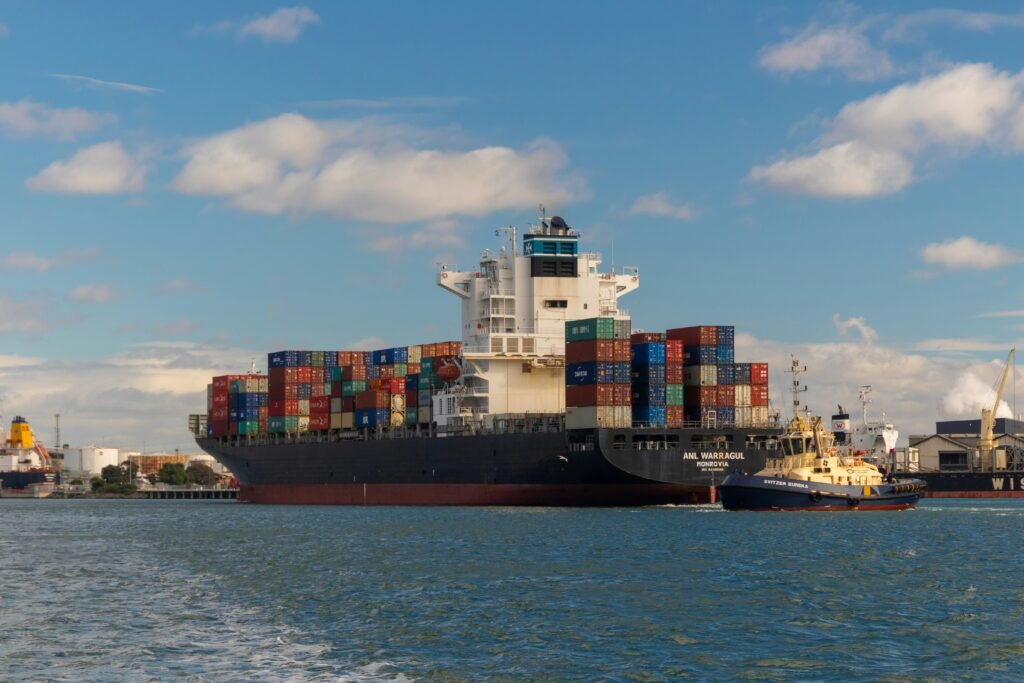
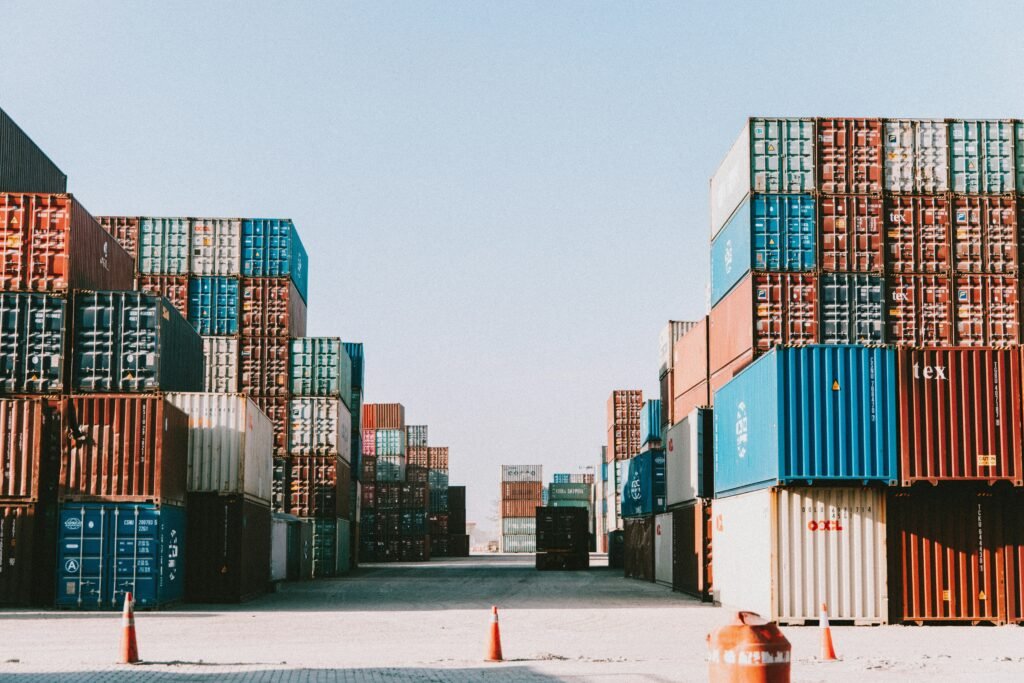
Marine Insurance in India with Athworth
You can’t always control what happens to your goods during shipping. Sometimes cargo gets lost or damaged along the way — that’s where marine insurance steps in to protect you financially.
Here’s the thing: government reports show a 21.6% jump in shipping accidents and other problems in 2024. So, even if you’ve planned everything down to the last detail, things can still go wrong.
That’s why having marine insurance really matters. With the right coverage, you can ship goods across India or overseas and feel a lot more secure.
At Athworth Wealth, we offer marine insurance for both domestic and international shipments. Our flexible plans work for all kinds of businesses, big or small.
Protect Your Cargo Today. Get a Free Quote!
Marine Insurance Calculator
Estimated Premium
Who Should Buy Marine Insurance
Exporters & importers – Protect goods across borders
You run the risk of experiencing loss, theft, or damage during international transit if you often ship or receive items across borders. In addition to ensuring easier commerce and payment compliance under LC terms, marine insurance protects your goods.
Domestic manufacturers & traders – Secure raw material & finished goods
Marine insurance protects your shipments against transit hazards if you transport finished goods to customers in India or raw materials to factories via road, rail, air, or coastal shipping.
Merchant exporters & wholesalers – Shield your supply chain from risk
Because they bear the commercial and financial risk during the movement of goods, entities involved in third-party or triangular trade, where goods are shipped directly from one country to another (e.g., Country A to Country B) without entering the trader’s country of registration (Country C), should get marine insurance to cover transit risks.
Logistics providers (Transporters, 3PLs, C&F Agents) – Reduce liability, boost trust
Safe delivery is crucial to your company’s reputation and liabilities if you transport items for other people. The same is further protected by marine insurance.

Don't let unforeseen transit risks impact your bottom line. Get a Free Quote Today!
Importance of Marine Insurance Policy
Single Cover for Air, Road, Rail & Sea
Marine insurance takes care of anything from theft and accidents to earthquakes and floods. No matter what shocks the voyage may bring, your goods are safe on the road, in the air, and at sea.
Ensures smooth customs & delivery
In the event that products arrive damaged, having appropriate marine insurance paperwork expedites customs processing and avoids disputes with customers.
Mandatory for LC & trade approval
The bank will not pay you if you transport items under a Letter of Credit (LC) unless you have specific documentation, such as insurance. Your payment won’t be delayed because marine insurance ensures that you fulfil this obligation.
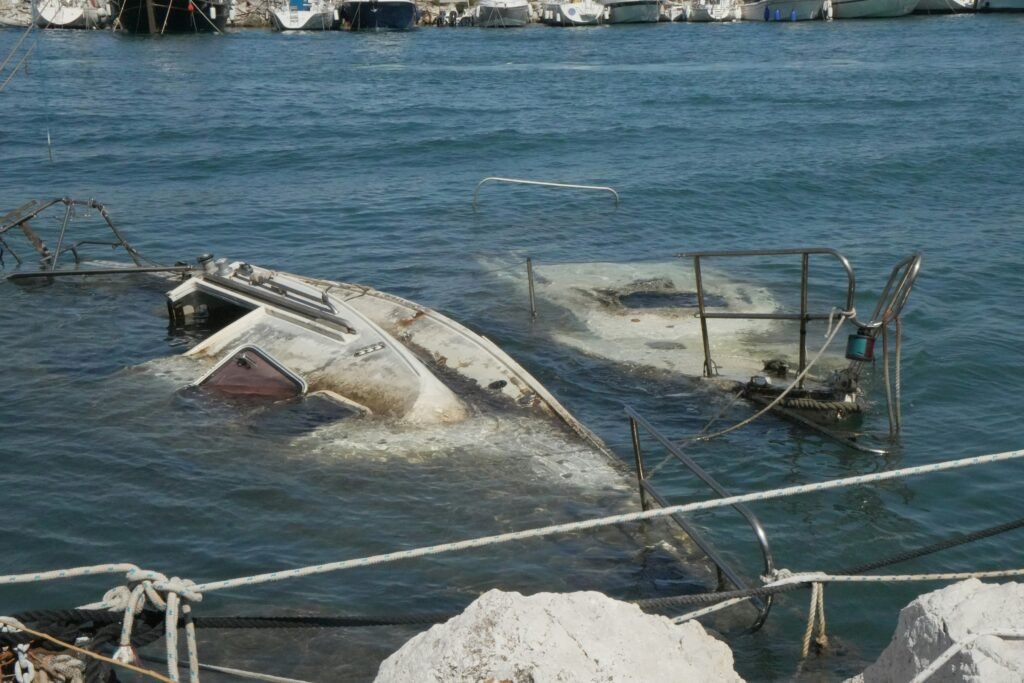
Types of Marine Insurance Policy
Export and Import
Marine insurance policies give coverage on both imports (from across the globe into India) as well as exports (from India to foreign destinations) but primarily insure freight carried either by sea or air transpor
Inland Marine Insurance
Inland marine insurance is a kind of insurance coverage that shields the company against loss and damage to products, machinery, equipment, cargo, and other items that are moved by various inland modes of transportation, including road and rail.
Additionally, this kind of insurance offers protection against a variety of risks that may arise during transit, much as marine cargo insurance. In addition, the insurance policy can provide “all-risk” coverage.
It implies that companies will be protected against risks that are specifically mentioned in the maritime inland transit insurance policy’s provisions. This flexibility gives organisations a sense of control over what can be financially secured by enabling them to customise their plan according to risk exposures and requirements.
Cargo Insurance
Financial losses resulting from the loss or damage of your company’s goods while they are in transit are covered by cargo insurance, sometimes referred to as marine cargo insurance. Goods delivered by road, rail, air, sea, or a combination of these modes are covered.
During transit, items may be subject to dangers like theft, accidents, or natural disasters, regardless of whether they are sent within India or internationally.
Consider delivering a shipment to a customer valued at many lakhs. Significant losses may result if a strong storm sinks the ship and destroys the cargo. You can recoup from such losses and carry on with your commercial activities with the aid of cargo insurance.
Hull Insurance
A variation of marine insurance that provides coverage for ships, vessels, and their machinery is called hull insurance.
It protects the ship’s “hull” or body against hazards like grounding, collisions, piracy, sea storms, etc. and offers cash compensation in the case that the ship or any of its machinery or equipment sustains damage as a result of these incidents.
Hull insurance is available to shipowners, port authorities, and private and public port operators. You should be aware that lenders in India require this kind of maritime insurance for borrowed boats.
Additionally, a fleet of vessels or a single vessel may be covered by this insurance coverage. It can also refer to different kinds of equipment that operate in waterways, such as oil rigs and floating machinery, in addition to ships, boats, barges, etc.
Freight Insurance
When your items are being transported, Freight insurance acts as a safety net. Whether your cargo is being transported by air, sea, or land, unforeseen circumstances are always possible. This is where Freight insurance comes into play. In the event of mishaps, theft, or damage while in transportation, it functions as a kind of shield.
Consider it a safety net for your priceless shipments. Freight insurance guarantees you won’t be left without anything in the event of unanticipated accidents, whether you’re a business owner shipping Freight to clients or an individual moving possessions across international borders.
Anyone involved in the movement of Freight must comprehend the definition and nuances of Freight insurance since it is crucial to reducing the financial risks involved in shipping and transportation.
Transit Insurance
For both individuals and corporations, transit insurance is an essential financial security measure. Its primary function is to safeguard cargo or items while they are being transported from one place to another.
The purpose of transit insurance is to reduce the risks of possible loss, theft, or damage while in transit. Road, rail, marine, and air transport are all covered by this kind of insurance.
Transit insurance guarantees that financial losses are minimised in the event of unanticipated circumstances, whether it is a shipment of goods en route to clients or personal belongings during a move. It gives people and businesses peace of mind by enabling them to concentrate on their primary tasks without having to worry about possible obstacles that can arise during transportation.
Marine Liability Insurance
When it comes to marine insurance, liability insurance means that the insured is legally liable for any losses or damages that third parties or their property sustain during the entire shipping process.
Loss of goods or property, injury to ship personnel, and loss or damage to the other party’s vessels are examples of damages. Each person participating in this insurance must be aware of their obligations.
It consists of the insurer (insurance firm) and the insured (ship/cargo owner). By doing this, it will be ensured that no one’s interests are compromised during the legal insurance settlement process.
Floating Policy
Multiple shipments can be covered under a single policy with a floating marine insurance policy, which is a flexible cargo insurance option. It does not require the specifics of every shipment to be known at the time of policy conception, in contrast to typical policies.
Port Risk Policy
One kind of marine insurance coverage that addresses potential issues with the ship while it is anchored at the port is called a port risk policy.
Fleet Policy
A fleet policy is a type of specialised marine insurance that provides comprehensive coverage for a collection of vessels owned by a single insured. Under a single set of terms and conditions, this policy guards against a number of risks, including hull damage, cargo loss, and liability for every vessel in the fleet.
Wager Policy
There are no precise terms for reimbursement in this plan. After determining the extent of the loss, the insurer alone has the authority to determine compensation. This special, unofficial arrangement might not stand up in court.
How Does Marine Insurance Work?

Select the appropriate policy
Prior to shipping products, you get marine insurance and select a policy based on the type of commodity and the route.
Pay the premium
Depending on the value of the products and the hazards involved, you pay a premium (for marine open, premiums are paid annually).
Report the loss.
When you have a loss or damage as a result of a fire, explosion, earthquake, volcanic eruption, jettison, etc., you notify your insurer so that you can make an insurance claim. The terms and conditions agreed upon will determine how your cargo is covered.
Surveyor inspection
A certified surveyor is then hired by the insurer to examine the loss and compile a thorough report in accordance with the provisions of the policy.
Approval of the claim
The insurance pays you for the loss in accordance with the policy after the report has been examined and authorised.
Why Should You Buy Marine Insurance?
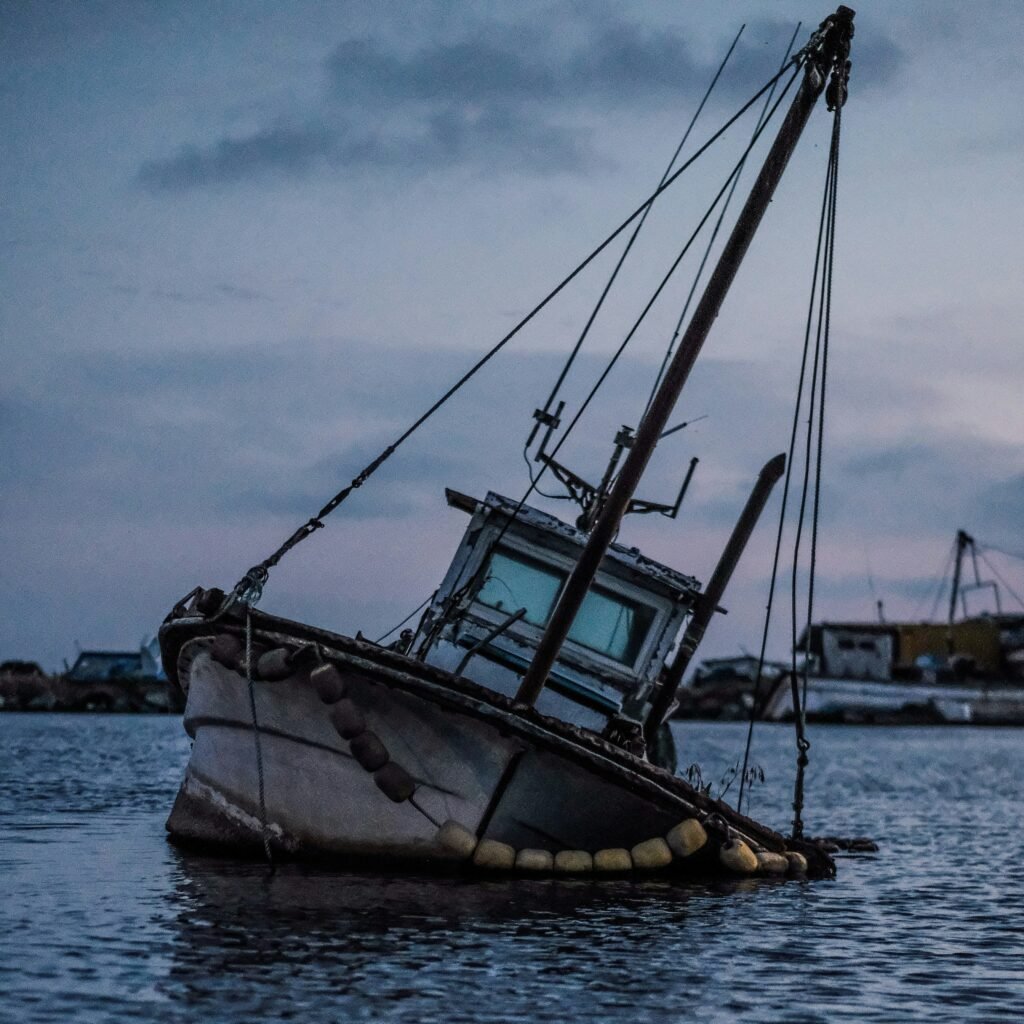
Risk Mitigation
Risk mitigation shields your company from monetary losses brought on by theft, accidents, and other hazards associated with transit.
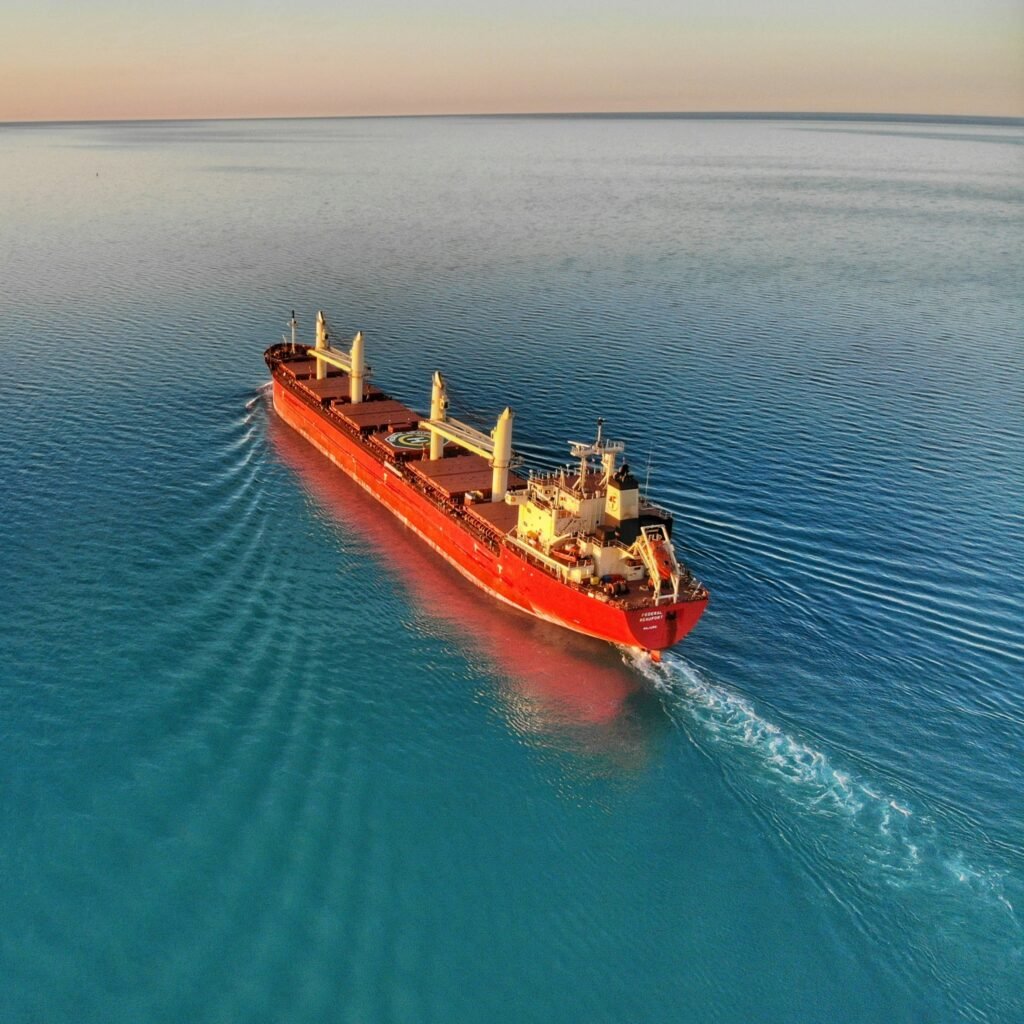
Smooth Operations
Reduces any financial losses to guarantee continuous trade and transportation operations.
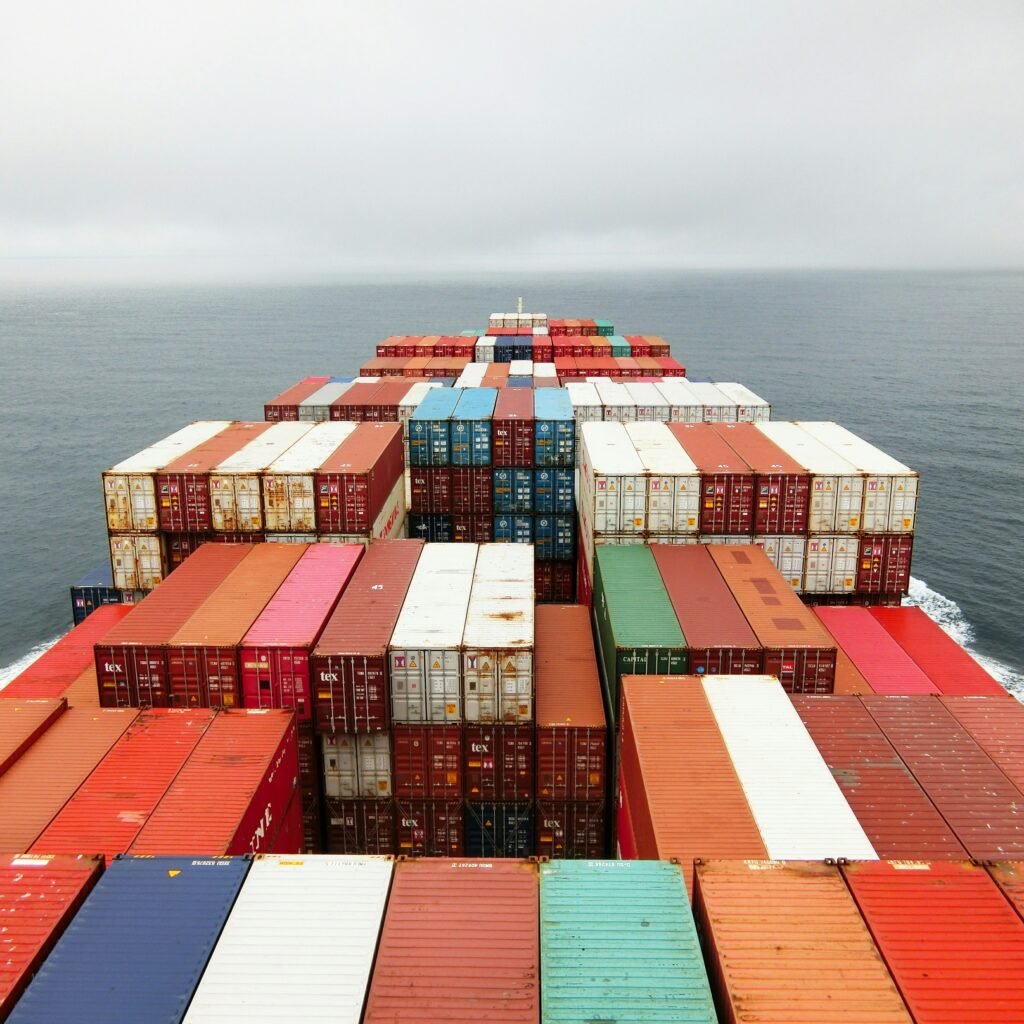
Complete Coverage
Offers coverage for a variety of hazards during transportation, both inland and sea.

Legal Requirement
In order to comply with trade laws and customs procedures, overseas shipping is frequently required.
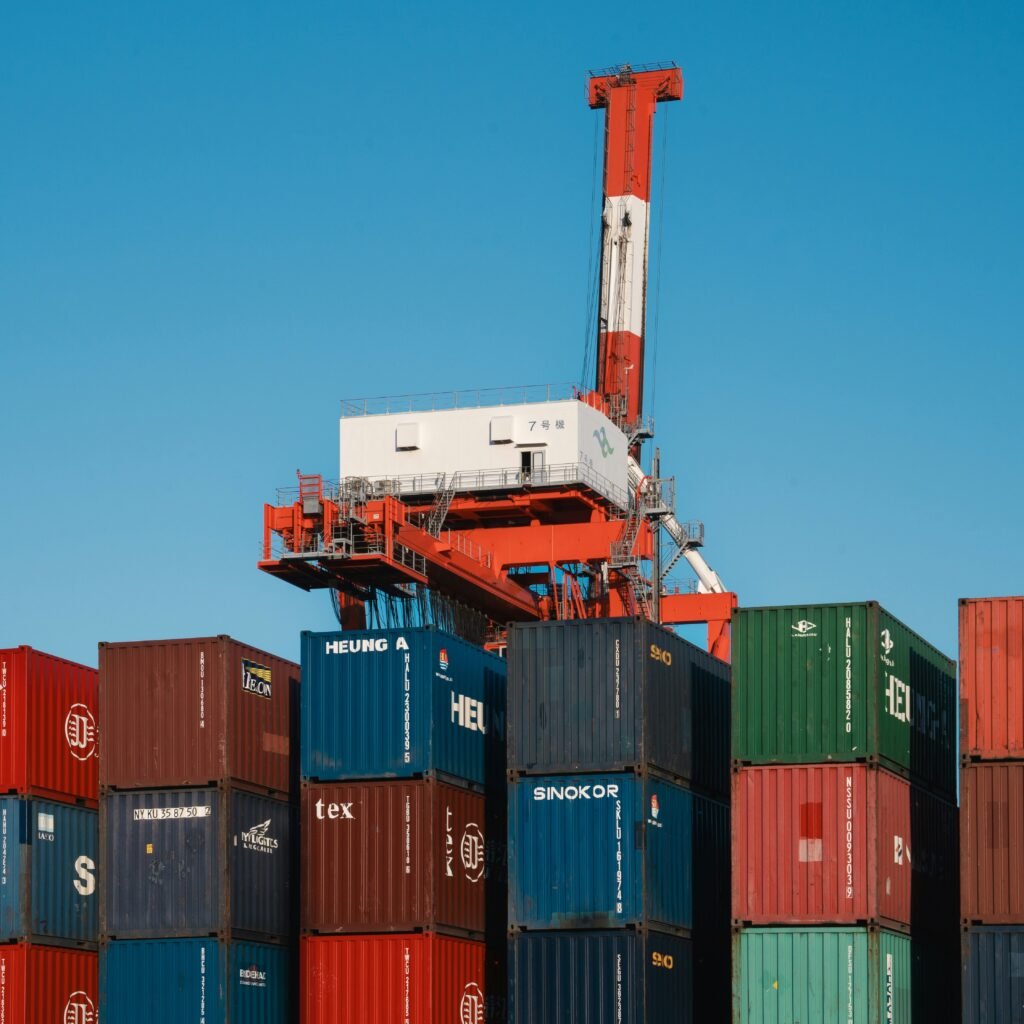
Protection for
High-Value Goods
Guards pricey or delicate items from unforeseen dangers while they are in transit.
Eligibility Criteria of Marine Insurance

Cargo Type
The type of cargo being shipped determines eligibility (e.g., perishable items, dangerous materials, etc.).

Mode of Transport
Eligibility and coverage options may vary depending on the mode of transportation (such as inland transit insurance or ocean freight).

Insurable Interest
As mandated by the policy, the insured must demonstrate a valid financial interest in the cargo.

Destination and Route
The destination, route, and possible hazards associated with transportation are taken into consideration while developing policies.

Valuation of items
Eligibility will be influenced by the items' claimed value, guaranteeing that coverage accurately represents the goods' true value.
How is the Premium Calculated for Marine Cargo Insurance?
Value of Goods
The premium computation is influenced by the declared value of the goods being transported.
Risk factors
Risk evaluations and premiums are influenced by the kind of commodities, mode of transportation, and route
Transit Duration
The premium increases with the length of the trip
Add-on Coverage
The cost of additional coverage, such as marine open plans or inland transit insurance, goes up.
Claims History
Companies that make a lot of claims could pay more for insurance.
FAQ's
What is the difference between inland marine insurance and ocean marine insurance?
While ocean marine insurance protects products while they are in transit at sea, inland marine insurance covers items while they are in transit over land. While ocean insurance concentrates on maritime risks like storms and piracy, inland insurance also covers storage.
How do marine insurance policies define "perils of the sea"?
“Perils of the sea” refers to natural dangers such as storms, shipwrecks, collisions, piracy, and stranding. Marine insurance policies usually cover these hazards, which are related to maritime transportation.
What types of vessels are typically covered by marine insurance?
Cargo ships, tankers, container ships, fishing vessels, passenger ships, and leisure vessels are all covered by marine insurance. Depending on the policy, both the hull and the cargo may be covered.
How is the cost of marine insurance determined?
The worth of the products, the risk of the shipping route, the kind of commodities, the form of transportation, the length of the trip, and the coverage level all affect premiums. Higher premiums are usually associated with riskier routes or high-value products.
What is the difference between open cover and specific cover marine insurance?
While specific coverage is for individual shipments or journeys, open cover provides continuous coverage for all shipments within a policy period. While specific cover is best for one-time or uncommon shipments, open cover is appropriate for regular shipments.