Cyber InsuranceCyber Insurance
What is Cyber Insurance?
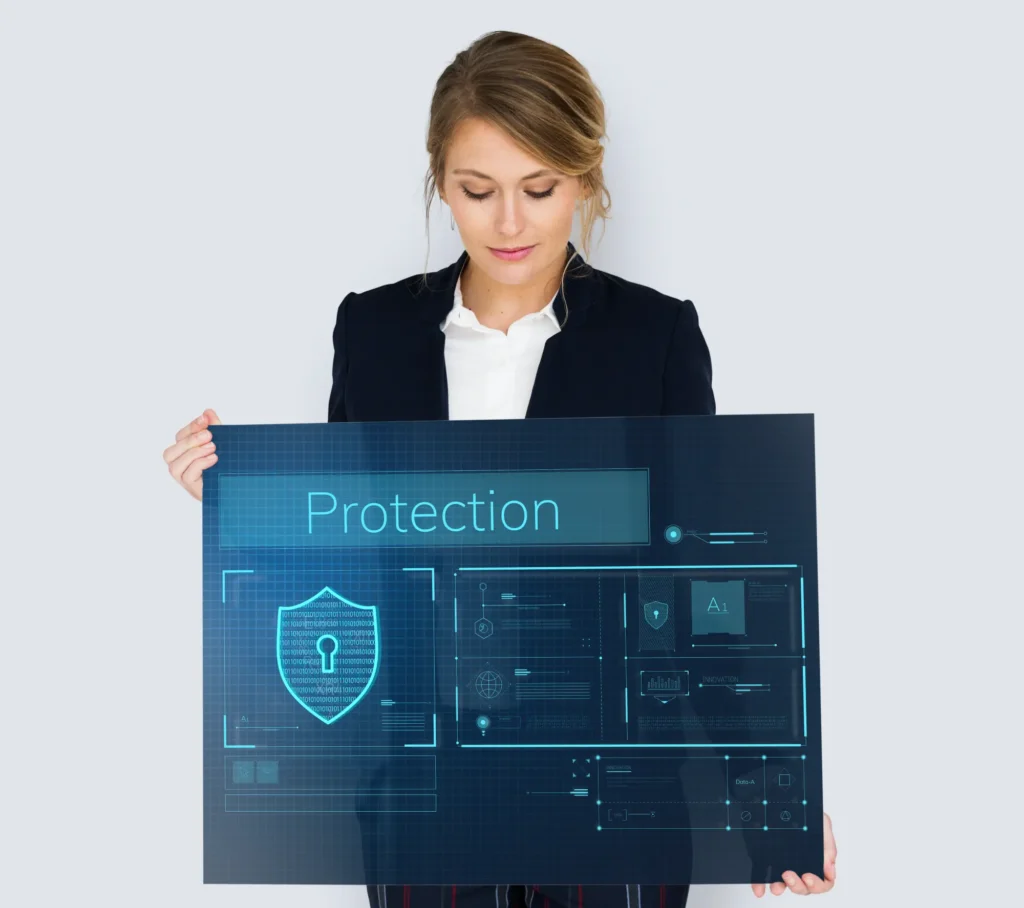
An insurance policy that shields people from internet dangers is known as cyber insurance. It protects against losses caused by hacking, malware, data breaches, and cyberattacks. By choosing this insurance, people can get reimbursement for expenses related to data restoration, equipment repair, legal fees, and customer notification following a cyberattack. As a result, this insurance protects you from online dangers and identity theft.
Since sensitive information is kept online, cyber insurance has grown in importance. Financial loss as well as harm to reputation and trust can result from a single cyberattack. One source of financial security is cyber insurance. By selecting this insurance, people are protected against any unexpected cyberattack.
Cyber Insurance In India
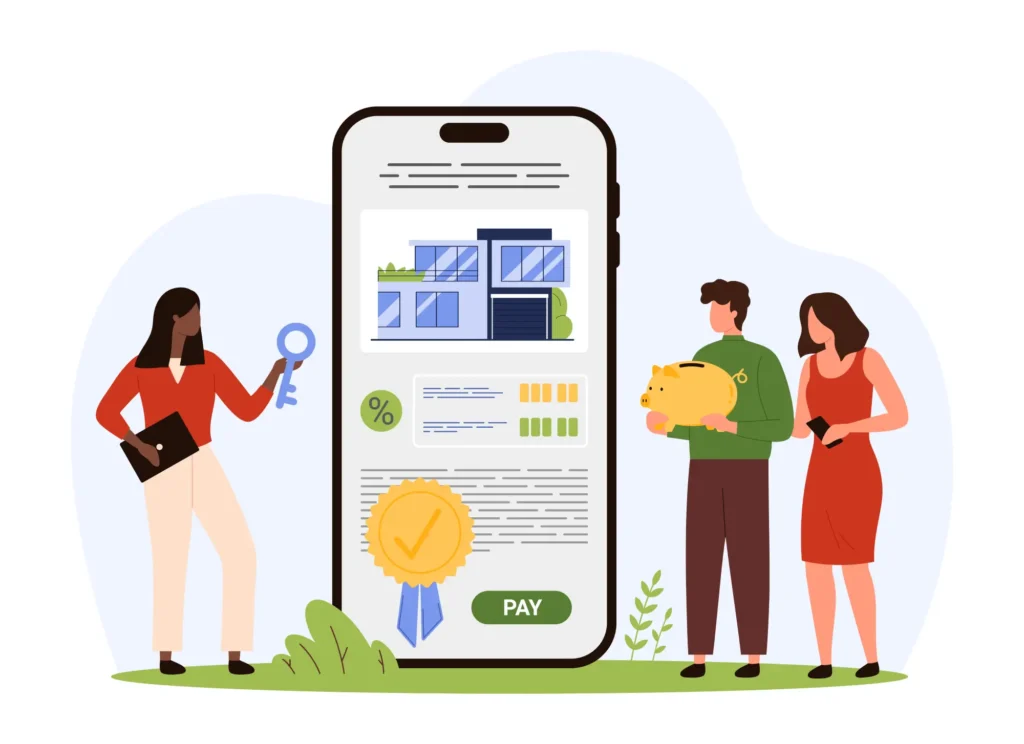
People can protect themselves from online fraud and cyberattacks with cyber insurance. People are increasingly at risk of cyberattacks in today’s digital world, which can compromise private information and result in large financial losses. With complete coverage against a variety of cyber threats, such as data breaches, cyber extortion, and business interruptions, cyber insurance has become an essential safety measure.
We provide customised insurance to address the particular requirements of a wide range of people, guaranteeing strong security and comfort. To reduce any cyber threats, choosing the appropriate cyber insurance policy is essential. Our adaptable solutions protect your assets, uphold cyber safety in an increasingly interconnected environment, and handle the complex issues presented by cyber incidents.
Start your SIP journey today. Invest Now.
Key Benefits of Cyber Insurance in India
The following are the main advantages of the Cyber Insurance Plan in India:
No Deductible
Get peace of mind by selecting the Cyber Insurance plan, which offers "no upfront payment" for covered claims.
Absence of Sublimit
Take advantage of the "no sublimit" function in many areas to enjoy the advantages of full coverage.
Extension of Family Protection
Extends coverage to your family members in exchange for a higher price.
Safeguarding Smart Homes
Obtain full coverage for decontaminating your malware-affected smart home devices or for restoration expenses.
Common Types of Cyberattacks
The following are some of the most typical categories of cyberattacks:
Phishing Attacks
Cybercriminals attempt to fool people into disclosing private information by posing as reliable sources, frequently via phony emails or websites.
Spear-phishing Attacks
This type of phishing is more focused, with attackers targeting particular people or organisations and leveraging personal information to make their messages appear more reliable.
White Phishing Attacks
These assaults aim to steal confidential data from prominent individuals or important staff members within a company, frequently for espionage or financial benefit.
DDoS and DoS Attacks
These attacks cause a server or network to crash and stop authorised users from accessing it by flooding it with excessive traffic.
Man-in-the-Middle (MITM) Attacks
Cybercriminals use these attacks to steal or modify information by secretly intercepting and occasionally changing conversations between two parties.
Ransomware
Malicious software that encrypts or locks a user's files and demands payment (a ransom) to unlock the information.
SQL Injection Attacks
In order to obtain unauthorised access to data or alter the system, attackers introduce malicious SQL code into a website's database query.
Password Attacks
In order to gain unauthorised access to accounts, systems, or data, these attacks try to steal, crack, or get around passwords.
Brute Force Attacks
In order to crack accounts, attackers use automated tools to test every conceivable password combination.
Session Hijacking
Once a user logs in, the attacker takes over their session, allowing them to access networks or systems without authorisation.
Trojan Horses
Malware that poses as legitimate software. Once downloaded, it creates a backdoor that allows an attacker to get access to systems and steal information.
Drive-by Attacks
These happen when someone visits a hacked website and inadvertently downloads malware without clicking anything.
DNS Spoofing
In order to divert consumers from safe websites to malicious ones—often for phishing or malware distribution—cybercriminals alter the Domain Name System (DNS).
Web Attacks
Attackers take advantage of flaws in web applications to obtain unauthorised access, which can result in system problems or data breaches.
Insider Threats
These assaults originate from within an organisation when a trusted individual or employee abuses their access to steal information or do harm.
Birthday Attacks
A method that finds two distinct inputs that yield the same result by exploiting flaws in hash methods, possibly evading security checks.
URL Interpretation
Attackers alter URLs to gain access to information or resources that are typically hidden or restricted from common users.
Eavesdropping Attacks
In order to obtain sensitive data, including credit card numbers, passwords, and personal information, attackers listen in on private conversations.
Malware Attacks
A general word for malicious software intended to damage, interfere with, or steal information from a network or system.
Session Fixation Attacks
In these assaults, the attacker compels the user to enter a certain session ID, which enables them to take over the session when the user checks in.
Credential Stuffing
Attackers get access to several accounts on various websites by using previously stolen or leaked username and password combinations.
Rootkits
Malicious software that conceals itself on a system so that the attacker can continue to have privileged access without being discovered.
Clickjacking
In order to deceive visitors into clicking on something they did not mean to, attackers conceal dangerous content on a website, frequently resulting in harm.
Keyloggers
Malicious software that logs keystrokes on a system, giving hackers access to private information like credit card numbers or passwords.
Zombie Networks (Botnets)
Attackers can use networks of compromised devices to transmit spam, execute DDoS assaults, or steal data.
Protect Your Business Today
Who Needs Cyber Insurance?
Any company that uses technology or manages sensitive data must have cyber insurance. Cyber dangers are a fact that cannot be disregarded, regardless of how big or little your business is. Below is a summary of who requires Cyber Protection:
Retail & E-Commerce
Because they keep payment and client data, online businesses are frequently the focus of hackers. Financial losses, problems with customer trust, and legal repercussions are all possible outcomes of a breach. Data recovery, legal costs, and customer notifications are all covered by cyber liability insurance, allowing you to concentrate on expanding your company while managing the effects of cyber threats.
Manufacturing
Manufacturing is more susceptible to cyberattacks as a result of increased automation and digital technologies. A breach could cause equipment damage, interfere with production, or steal important data. Cyber insurance guarantees a speedy recovery for your business, minimising downtime and safeguarding your intellectual property.
FMCG (Fast-Moving Consumer Goods)
FMCG businesses deal with huge chunks of customer data, so they are sorta prime targets for cybercriminals. A cyberattack can end with data loss, or it may disrupt your supply chain, totally throwing everything off. Cyber Insurance is there for that; it helps safeguard against these risks, covers the monetary impacts of a breach and, in the same breath, supports your reputation so it stays intact.
Chemicals
The chemicals sector is a prime target for hackers since it frequently handles sensitive data and vital systems. The repercussions might be dire for both safety system breaches and R&D data. Cyber insurance helps your company continue to run even after an attack by covering recovery, repairs, and legal costs.
Automotive
The risk of hacking rises as the automotive industry gets increasingly interconnected. A breach can expose consumer information or jeopardise car security. The financial effects of such assaults, such as data theft, system breaches, and possible recall expenses, are covered by cyber insurance.
Children’s Toys & Products
Children's toy manufacturers manage sensitive data as well as product safety. Data leaks or security flaws with connected toys could be the focus of a cyberattack. The financial consequences, including legal fees and customer notification costs, are covered by cyber insurance.
Pharmaceuticals
Cybercriminals target pharmaceutical companies because they handle sensitive research data and private health information. Clinical trials, medical records, or manufacturing data could all be stolen in a hack. Cyber insurance ensures business continuity by covering reputation management, legal fees, and data recovery.
Industrial Machinery & Equipment
Cyberattacks have the potential to stop production and result in significant financial losses for companies that depend on connected machinery. Cyber insurance protects your infrastructure and important data by covering the expense of recovering from these attacks.
What's Covered in Cyber Insurance
Theft of Funds
Our Individual Safe Cyber Safe Insurance covers any damage caused by a cybercriminal gaining unauthorised access to your bank account, credit card information, or digital wallet with the intention of stealing money (via phishing, email spoofing, or account transfers).
Identity Theft
Identity theft refers to any illegal or fraudulent use, deletion, or alteration of your personal information stored on a computer system. This even applies to digital gadgets.
Malware Decontamination
Any type of computer application downloaded from the internet, received by file transfer, or sent via SMS. This also applies to your digital gadgets, which are made especially for infiltration and additional damage prevention without your permission.
Cyber Bullying, Cyber Stalking and Reputational Loss
Your reputation is impacted if you are the target of harassment or cyberstalking. We take care of it.
Expenses for legal representation and prosecution in the event that the stalker is charged with a crime. pays the costs associated with pursuing a case, including court fees, paperwork, and transportation.
If additional harassment causes psychological suffering, counselling services are offered.
Cyber Extortion
Selecting this policy provides protection in the event that a cyberattacker discloses your data, misuses it, or demands a ransom for failing to publish private information.
Online Shopping
While purchasing online, you may come across instances of fraud, such as phony websites, payment gateway breaches, or unapproved transactions. These losses are covered by our Individual Cyber Safe Insurance.
Online Sales
Although this is indicated as an extension option in the available insurance, selecting our coverage will protect you against dangers related to online sales transactions.
Social Media and Media Liability
It's possible that someone will hijack or abuse your social media account. Inappropriate media use can also disseminate content, which can have long-term effects on you. Our policy covers you for any resulting liability in these situations.
Network Security Liability
This indicates the liability that results from a network security breach that gives rise to a third-party claim. However, broader lists of coverage already include this coverage as one of the potential items of inclusion.
Privacy and Data Breach
The policy covers any compromise of personal data, whether it's due to a breach in your own account or a breach at any third-party service you use.
Exclusions Under Our Individual Cyber Safe Insurance Policy
- Any damage or loss to tangible property, as well as any losses that follow, including losses related to using tangible property.
- Any type of conflict, whether or not it is declared.
- Excludes coverage for physical property damage or personal injury.
- Any loss or harm brought on by the insured person’s dishonest, malevolent, or fraudulent actions.
- Unwanted calls, uninvited messages, and spam calls are not eligible to file claims.
- Losses from bitcoin, internet trading, and investments are not included.
The Role of Cyber Insurance in Cyber Defence
Cyber insurance doesn’t act as a protective barrier against dangers. Consider it your safety net, meant to lessen the impact in the event of a catastrophe but not to take the place of a strong cybersecurity plan. Although having cyber insurance is essential for businesses, it should only be used to lessen the effects of a cyberattack. When your insurance coverage is used in conjunction with your security measures, it works best.
Before providing coverage, insurers evaluate your company’s cybersecurity posture. Investing in strong security is a must, not merely a best practice. Your defence plan is what really keeps you safe, even while insurance aids in risk management.
Cyber Insurance Claims Process
A simple and guided process to help you manage your cyber insurance claim.

Notify Us
As soon as the incident happens, contact us within 2 days, please. Share the details of what happened and any key papers, like the legal notice, FIR, or incident report. We will make sure all the parts are in place so the process can begin.

We will help you get Lawyer Approval
Before you hire a lawyer, we help you secure approval from your insurer. We guide you through the whole process, and we make sure everything lines up with your policy. Don’t worry, we are here to assist you at every single step.

We will Guide You on Lawyer Fees
We will help you get the lawyer’s fees sanctioned by the insurer. You can look at different options, and we will ensure the fees match what your policy permits, not more, not less.

We will Handle the Evaluation
We help you submit the required documents, and we ensure the insurer has everything needed to assess the claim. If something additional is requested, we manage it for you, smoothly.

We will Keep You Updated on the Decision
When the insurer reviews your claim, we keep you updated on the decision. If there’s a delay because of missing information, or if the case is particularly complex, we will help collect the required updates, and we keep the process moving forward.
Is your business fully protected against ransomware? Get Your Instant Quote
FAQ's
Who can buy the policy?
This policy is available to anyone who is at least eighteen years old. Your minor children may also be covered by the family policy.
What is the policy period?
The duration of the policy is one year (annual policy).
What is the range of sum insured available under the policy?
The policy has a Sum Insured range of INR 10,000 to INR 5Cr. However, underwriting guidelines apply. For the most recent guidelines, please contact us.
Is there any deductible under the policy?
No. The policy does not have any deductibles.
Is there any waiting period under the policy?
No. There isn’t a waiting period.