Industrial / Commercial InsuranceIndustrial / Commercial Insurance
What Is Commercial Insurance?
As a financial safety net, commercial insurance shields your company from unanticipated risks that could cause operational disruptions, monetary losses, and other difficulties. This kind of insurance, usually referred to as a business insurance policy, is crucial for SMEs, startups, and retail establishments in addition to larger companies.
Commercial insurance helps organisations maintain operations without materially impacting profitability, productivity, or long-term growth objectives by offering financial support during unforeseen situations.

What Is Commercial Insurance?
As a financial safety net, commercial insurance shields your company from unanticipated risks that could cause operational disruptions, monetary losses, and other difficulties. This kind of insurance, usually referred to as a business insurance policy, is crucial for SMEs, startups, and retail establishments in addition to larger companies.
Commercial insurance helps organisations maintain operations without materially impacting profitability, productivity, or long-term growth objectives by offering financial support during unforeseen situations.
What are the Types of Commercial Insurance Plans?
Shopkeeper Package Policy
Managing a shop could seem easier than running a bigger company. It is not risk-free, though. A shopkeeper package policy helps shield your store from theft and fire damage.
Office Package Policy
This will protect your office against explosion, implosion, and fire damage. Additionally, it offers financial security against natural disasters, riots, strikes, hostile assaults, and losses associated with burglaries, including damages from attempted break-ins.
Jeweller’s Insurance
It is a specific insurance plan to safeguard your jewellery company. It covers goods in custody, stocks held at insured locations, and exhibits or transit.
Marine Insurance
Marine insurance offers protection against possible damages if your company uses ships to move goods. It shields your products, ships, and other assets from hazards including mishaps, piracy, bad weather, and more.
Liability Insurance
Liability insurance provides you with complete protection against lawsuits, legal claims, and compensation demands that may occur during business operations. Public and product liability insurance, professional indemnity insurance, and other coverage choices are available.
Engineering Insurance
It encompasses risks including unanticipated events, equipment failures, and physical damage to project sites. It aids in guaranteeing the seamless advancement of engineering projects by lessening the budgetary effect of unforeseen setbacks.
Employee Benefits Insurance
It covers health and accident compensation for workers who are employed by your company. Group insurance, which offers health insurance coverage, is often one of its varieties.
Energy Insurance
Energy insurance is a specific type of insurance intended for companies in the energy industry. It offers protection against risks like environmental liability, equipment malfunctions, and other operating difficulties.
Protect Your Business Today
How Commercial Insurance Work?
Premiums
You pay a steady fee to the insurance company, kind of like a premium. The amount may shift based on factors such as your business size, the industry you’re in, and also the kinds of protection you’re asking for.
Coverage
In return for that premium, the insurer gives you coverage based on what’s written in your policy. Basically, they’ll assist with expenses tied to claims or damages up to a specific cap, or ceiling, depending on the terms.
Claims
If something goes off track—like a client sues you, or a storm harms your property—then you submit a claim to your insurance company. They’ll check the details, and if it’s a legitimate request, they’ll provide financial help as laid out in your policy, no more, no less.
Deductibles
Some policies also include deductibles, meaning the money you have to pay yourself before the insurance starts covering things. For instance, if you hold a ₹1,000 deductible and you file a claim for ₹5,000, you cover the first ₹1,000, then the insurance company covers the remaining ₹4,000.
What Does Commercial Insurance Cover?
What Is Not Covered
- Workplace accidents that are not covered by the workers’ compensation schedule
- Deliberate actions or intentional harm committed by the company’s owner or staff
- Deterioration over time, general wear and tear, or neglect
- Some natural disasters (such as earthquakes and floods) are expressly excluded.
- When obtaining the coverage, the insured may have committed fraud or misrepresentation.
- Losses or damage that already existed prior to the policy’s start date
What Is Covered
- Physical damage to merchandise, equipment, and owned or leased space
- Third-party liability for property damage or personal injury brought on by your company’s operations
- Legal costs, such as settlement sums, court fees, and attorney fees
- Workers’ compensation benefits for fatalities, occupational diseases, and employee injuries
- Cyber losses, such as ransomware response expenses, data breach fees, and fines from authorities
- Business disruption or revenue loss when operations are suspended as a result of a covered occurrence
- Professional mistakes and omissions that cause financial harm to clients
- Crime losses, such as third-party fraud, forgery, and employee theft
Which Businesses Need Commercial Insurance?
The short answer is that almost all businesses require some kind of commercial insurance. However, depending on the type of business, the degree of risk involved, and the legal requirements, different policies will be appropriate for different types of businesses. These companies are broken down here.
Small Businesses
Small business owners frequently make the error of believing they are too tiny to be sued or suffer large losses. This could be a deadly misunderstanding. A small business with inadequate reserves could be completely destroyed by a single customer injury claim or a fire that destroys your inventory. Any small firm would be advised to get a basic commercial insurance policy with property and CGL coverage.
Manufacturers
Each of the risks associated with manufacturing includes huge teams, complex supply chains, heavy machinery, and raw materials. These days, it is nearly impossible for an Indian manufacturing company to function without property, workers' compensation, product liability, and marine insurance.
Startups
Many company entrepreneurs focus on growth above protection by putting insurance at the bottom of their list of priorities. However, before signing contracts, investors, clients, and business clients frequently request evidence of sufficient coverage. For tech firms that handle data or offer digital services, professional indemnity, D&O, and cyber insurance are some essential insurance types.
Tech Companies
Technology companies are exposed to a unique combination of risks, including allegations of intellectual property infringement, cyber intrusions, software mistakes that result in customer losses, and non-compliance with data protection regulations. Any tech company should have two primary types of insurance: professional indemnity insurance and cyber insurance.
Professional Services
Professional liability is a major concern for professions including management consultants, architects, surgeons, lawyers, and chartered accountants. A pricey lawsuit could arise if your customer holds you accountable for giving incorrect advice. Professional indemnity insurance is crucial if you depend on providing professional advice or services for a living.
Businesses With Employees
Your risk level will significantly shift the moment you hire your first staff member. Under Indian law, workers' compensation insurance is required for the majority of enterprises. Additionally, group health insurance and employment practices liability may be choices to think about since they could shield your company and employees from HR-related lawsuits.
Why Should You Choose Commercial Insurance?
Safeguard Your Business
Without business risk insurance, you continue vulnerable to dangers, which may drain your cash and may generate problems regarding the continuity of your organisation.
Get an All-Rounder Coverage
Whether it is a natural catastrophe or a man-made calamity, commercial insurance is here to cover your losses. By purchasing insurance as per your requirement, you receive comprehensive protection.
Insure Range of Assets
A variety of business assets, including buildings, properties, furniture, fixtures, electrical and electronic equipment, and stocks, are covered by our commercial insurance.
Proven Track Record
We contribute exceptional knowledge to underwriting varied commercial risks, from classic marine transit to sophisticated, modern cyber liabilities.
Customise Your Plan
Another advantage of getting commercial insurance is the option to personalise your coverage based on your business requirements.
Easy Issuance and Claim
Choose the best plan depending on your business needs and buy it totally online. When claiming, contact our staff and submit the claim form with commercial insurance documents and any supporting documentation.
How to File a Commercial Insurance Claim
You must promptly notify the insurance provider via its round-the-clock insurance hotline of any unexpected damage. To prevent any claim rejections, you should understand the claim procedure and adhere to it correctly. However, different insurance companies and policies have varying claim procedures and documentation requirements. Here's a general overview of the claim procedure.
If you must file a claim, let the insurance company know.
Provide information such as the policy number and other supporting documentation, such as a properly completed claim form.
In accordance with the specifications of your insurance plan type, submit the witnesses, evidence, a copy of the FIR, medical reports, etc.
A surveyor from the insurance provider will check every detail after receiving the paperwork.
The claim is processed within the allotted period if it is approved; otherwise, it may be denied.
Commercial Insurance with Athworth Wealth
One Unexpected Loss Can Stop Business. The Right Insurance Keeps It Moving.
Your business is built with years of hard work, investment, and dedication. A fire, machinery breakdown, cyber attack, employee-related risk, or operational disruption can result in huge financial losses.
At Athworth Wealth, we help businesses identify risks and build a strong insurance shield to protect their operations, assets, employees, and profits.
Why Choose Athworth Wealth?
Comprehensive Business Risk Analysis
We assess your business operations, assets, liabilities, and industry-specific risks to recommend the right protection strategy.
Customised Insurance Solutions
Every industry is different. We design insurance solutions based on your business size, sector, and operational requirements.
Protect Assets Worth Crores
Safeguard your factory, office, machinery, inventory, equipment, and business infrastructure from unforeseen events.
Employee & Liability Protection
Protect your workforce and business from legal liabilities, workplace risks, and unforeseen claims.
Cyber Risk Protection
In today's digital world, cyber threats can impact any business. We help you secure your company against cyber-related financial losses.
Multiple Insurance Partners
We work with leading insurers to provide competitive premiums and comprehensive coverage options.
Insurance Solutions We Offer
- Fire Insurance
- Industrial All Risk Insurance
- Machinery Breakdown Insurance
- Marine & Transit Insurance
- Cyber Insurance
- Group Health Insurance
- Employee Compensation Insurance
- Liability Insurance
- Office Package Insurance
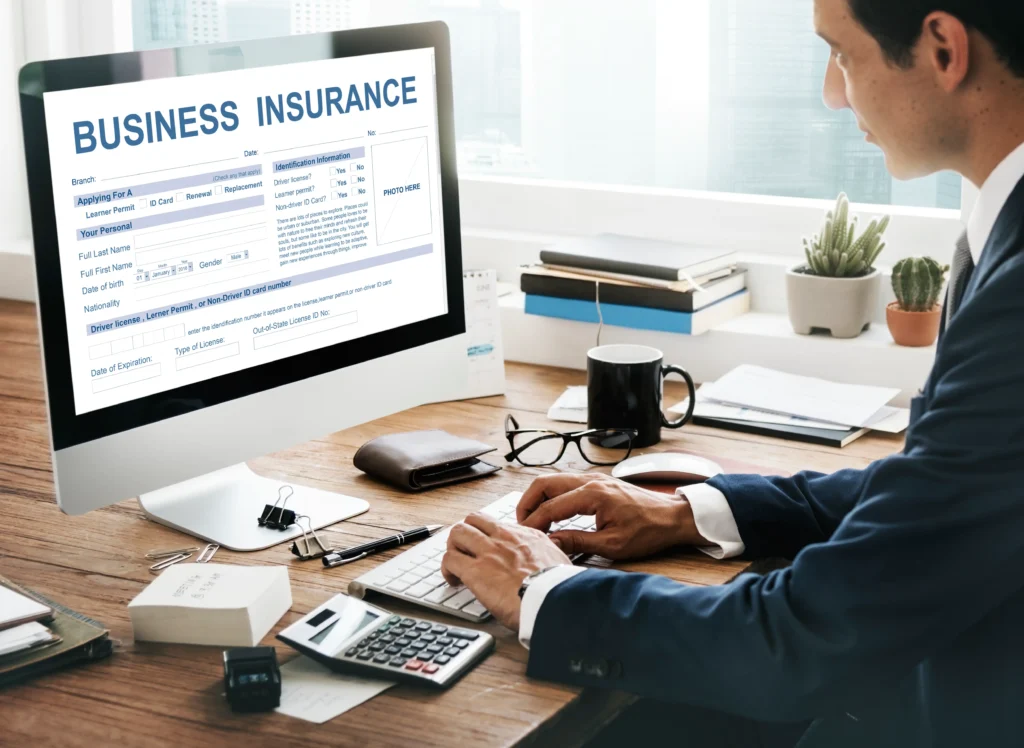
Don’t wait for the unexpected to disrupt your operations. Get a quote today!
FAQ's
Is commercial insurance mandatory for businesses in India?
In India, some kinds of commercial insurance are basically legally required depending on the situation; it can feel a bit rigid and not always obvious. For instance, most employers are expected to arrange Workmen’s Compensation Insurance under the Employees’ Compensation Act, even though people sometimes gloss over that part. Likewise, the Motor Vehicles Act says that third-party motor insurance is required for all commercial vehicles, not just some. Then there’s Public Liability Insurance, which becomes a statutory must for certain industries, like factories and public utilities, where risks can spread beyond a single workplace. Now, this doesn’t mean every business must buy everything. More often, specific insurance policies turn compulsory based on your business type and the sector you operate in.
What is the difference between commercial insurance and liability insurance?
Property, liability, employees, cyber, crime, and professional errors are only a few of the hazards that are covered by the general phrase “commercial insurance.” But liability insurance, which covers your legal obligations to other parties, is really a subset of business insurance. It pays for damages and legal costs associated with harm, property damage, or professional negligence. To put it simply, not all commercial insurance is liability insurance, but all liability insurance is a type of commercial insurance.
What does a commercial insurance policy cover?
Property damage, business interruptions, and liability risks are all covered by a commercial insurance policy. It protects companies from monetary losses brought on by unanticipated circumstances like theft, fire, natural disasters, or legal obligations. In times of crisis, this guarantees both financial stability and company continuation.
What benefits do add-on covers offer?
Your commercial policy is improved by add-ons like cyber insurance, liability protection, and business interruption coverage. By paying for lost income, legal costs, and cyberthreats that could interfere with corporate operations, they offer prolonged financial security. Customised add-ons guarantee that companies remain safe from changing threats.
What factors affect the premium of a commercial insurance policy?
Risk exposure, coverage amount, industry type, and firm size all affect premiums. To calculate the cost of the policy, insurers evaluate these factors. By choosing appropriate coverage and risk management techniques, businesses can maximise their premiums. Lowering premiums can be achieved by putting safety precautions and risk-reduction strategies into action.